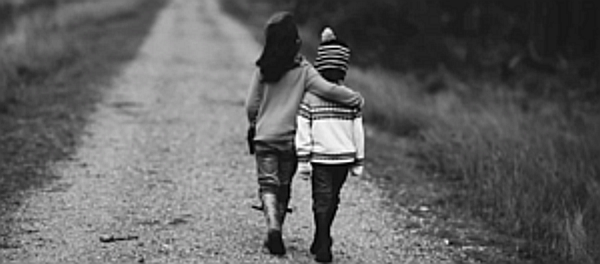
Empathy is one of the qualities that, in my opinion, makes the world a better place to live. When one possesses empathy one is able to put self in the place of others and understand their joys and pains. It is how we find it in our hearts to donate to charities, help our neighbors, speak out and act for human rights for all, for animal rights, our environment, and more.
Take this young man in Russia. At the time of the writing of the article he was 9 (NINE) years old. He possesses an extraordinary talent that could enrich himself and his family with great monetary rewards. He chooses, however, to benefit helpless animals with his art instead: https://www.healthyfoodhouse.com/this-9-year-old-sells-his-custom-pet-paintings-for-food-and-supplies-for-animal-shelters/
How do caregivers, (I originally wrote “cargivers” but I don’t think cars have anything to do with it.) parents, and other meaningful adults in a child’s life develop such a sense in the youth with whom they’re involved?
One way (and we will explore others in later posts) is to model empathy in our every day lives. We know children get frustrated when they are not allowed to play with knives and fire or to eat colorful laundry pods and it’s important to acknowledge our understanding of this frustration simply and truthfully while modeling for them how to identify and name their feelings. For instance, “I know you are frustrated and angry that you can’t play with that knife. I get frustrated when I can’t do things I want to do too, however if I let you play with that knife you will get hurt and I love you and I don’t want to see you be hurt” or for younger children, “You really want that but it will hurt you.” Then offer an alternative toy or activity. Do you want to play kitchen with spoons?
In our family members discussed important social issues with my kids throughout their lives at home. When they were young, they witnessed and talked about important family members donating to food banks, for instance, taking food to individuals in need, and other donation activity. “How do you think if feels to not have food? Why? What is something we (include the child) can do to help? “You know I feel sad and (offer suggestion or act on the child’s suggestion as best one can.) we can take a can of vegetables to the_________to help them have food.
There is no one way to model empathy and empathetic actions for kids. There are as many ways as their are people who care for a child. We all need to be natural and true to our own manners of communicating. What is important is that children see us understanding their feelings and the feelings of others.
How do you model empathy for the children in your life? Please give us some great ideas in the comments section.
 POSITIVE KIDS