
REAL HISTORY IS OUR HISTORY. That is the unvarnished truth. Why don’t we trust our youth to understand the good and bad of our past? Do we not trust them or do we not trust ourselves?
Kids of all ages can discern differences in ways that all humans have a different appearance from themselves and the people surrounding them. Young children will question EVERYTHING including why some people are short, tall, light or dark-skinned, why hair colors are different, etc. They look for HONESTy from their trusted adults. When their adults give them untruthful responses, crucial trust between adults and children can be lost forever.
They can forgive some misinformation about fictional characters like Santa or the Easter Bunny and other folklore favorites but when it comes to our raising a peaceful and just society, all youth deserve truthful answers about real ideas and things designed for their age levels.
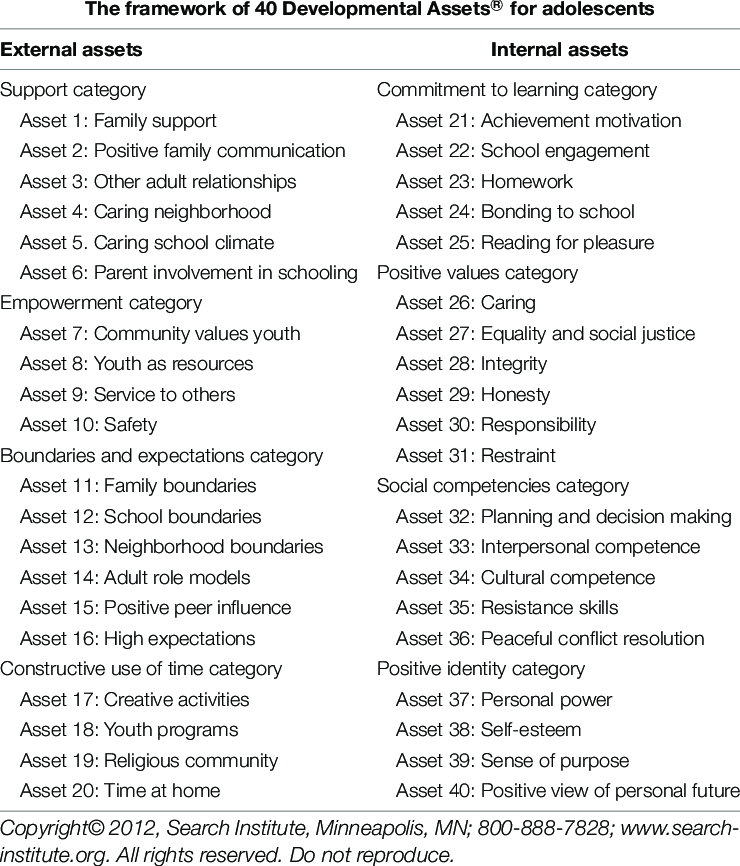
Brofenbrenner identified 40 developmental assets that are essential for raising secure and happy children. They are:
The relatively new trend of legislation that prohibits teaching our honest past creates distrust. If we
Bronfenbrenner identified 40 developmental assets that support children who thrive and who will most likely continue to thrive for a lifetime.
Asset type Asset name and definition
EXTERNAL ASSETS
Support
1. Family Support-Family life provides high levels of love and support.
- Positive Family Communication-Young person and her or his parent(s) communicate positively, and young person is willing to seek advice and counsel from parents.
- Other Adult Relationships-Young person receives support from three or more nonparent adults.
- Caring Neighborhood-Young person experiences caring neighbors.
- Caring School Climate-School provides a caring, encouraging environment.
- Parent Involvement in Schooling-Parent(s) are actively involved in helping young person succeed in school.
Empowerment - Community Values Youth-Young person perceives that adults in the community value youth.
- Youth as Resources-Young people are given useful roles in the community.
- Service to Others-Young person serves in the community one hour or more per week.
- Safety-Young person feels safe at home, school, and in the neighborhood.
Boundaries & Expectations - Family Boundaries-Family has clear rules and consequences and monitors the young person’s whereabouts.
- School Boundaries-School provides clear rules and consequences.
- Neighborhood Boundaries-Neighbors take responsibility for monitoring young people’s behavior.
- Adult Role Models-Parent(s) and other adults model positive, responsible behavior.
- Positive Peer Influence-Young person’s best friends model responsible behavior.
- High Expectations-Both parent(s) and teachers encourage the young person to do well.
Constructive Use of Time - Creative Activities-Young person spends three or more hours per week in lessons or practice in music, theater, or other arts.
- Youth Programs-Young person spends three or more hours per week in sports, clubs, or organizations at school and/or in the community.
- Religious Community-Young person spends one or more hours per week in activities in a religious institution.
- Time at Home-Young person is out with friends “with nothing special to do” two or fewer nights per week.
INTERNAL ASSETS Commitment to Learning - Achievement Motivation-Young person is motivated to do well in school.
- School Engagement-Young person is actively engaged in learning.
- Homework-Young person reports doing at least one hour of homework every school day.
- Bonding to School-Young person cares about her or his school.
- Reading for Pleasure-Young person reads for pleasure three or more hours per week.
Positive Values - Caring-Young person places high value on helping other people.
- Equality and Social Justice-Young person places high value on promoting equality and reducing hunger and poverty.
- Integrity-Young person acts on convictions and stands up for her or his beliefs.
- Honesty-Young person “tells the truth even when it is not easy.”
- Responsibility-Young person accepts and takes personal responsibility.
- Restraint-Young person believes it is important not to be sexually active or to use alcohol or other drugs.
Social Competencies - Planning and Decision Making-Young person knows how to plan ahead and make choices.
- Interpersonal Competence-Young person has empathy, sensitivity, and friendship skills.
- Cultural Competence-Young person has knowledge of and comfort with people of different cultural/racial/ethnic backgrounds.
- Resistance Skills-Young person can resist negative peer pressure and dangerous situations.
- Peaceful Conflict Resolution-Young person seeks to resolve conflict nonviolently.
Positive Identity - Personal Power-Young person feels he or she has control over “things that happen to me.”
- Self-Esteem-Young person reports having a high self-esteem.
- Sense of Purpose- Young person reports that “my life has purpose.”
- Positive view of personal future- Young person is optimistic about her or his personal future.
Copyright © 2011 by Search Institute, 615 First Ave NE, Minneapolis, MN 55415
In the coming 4 years we are very likely to experience harmful rhetoric toward others, misleading or totally false statements made by people at the top of our government system.
The only way to protect our kids from the vitriol and hatred that will surely be espoused is to create a trusting environment for kids to be free to ask questions and receive honest answers. Looking at the chart above, the reader will be able to identify the many developmental assets provided when youth feel safe to ask honest questions, get honest answers and a chance to opine without criticism. Parents and caregivers can learn a lot about their children by LISTENING and asking youth questions like, “What do you think of that and why?” Be generous with your time and your honesty. Youth are looking to us to guide them with facts.













 POSITIVE KIDS